
Ultimate On-Page SEO Guide: Importance & Techniques
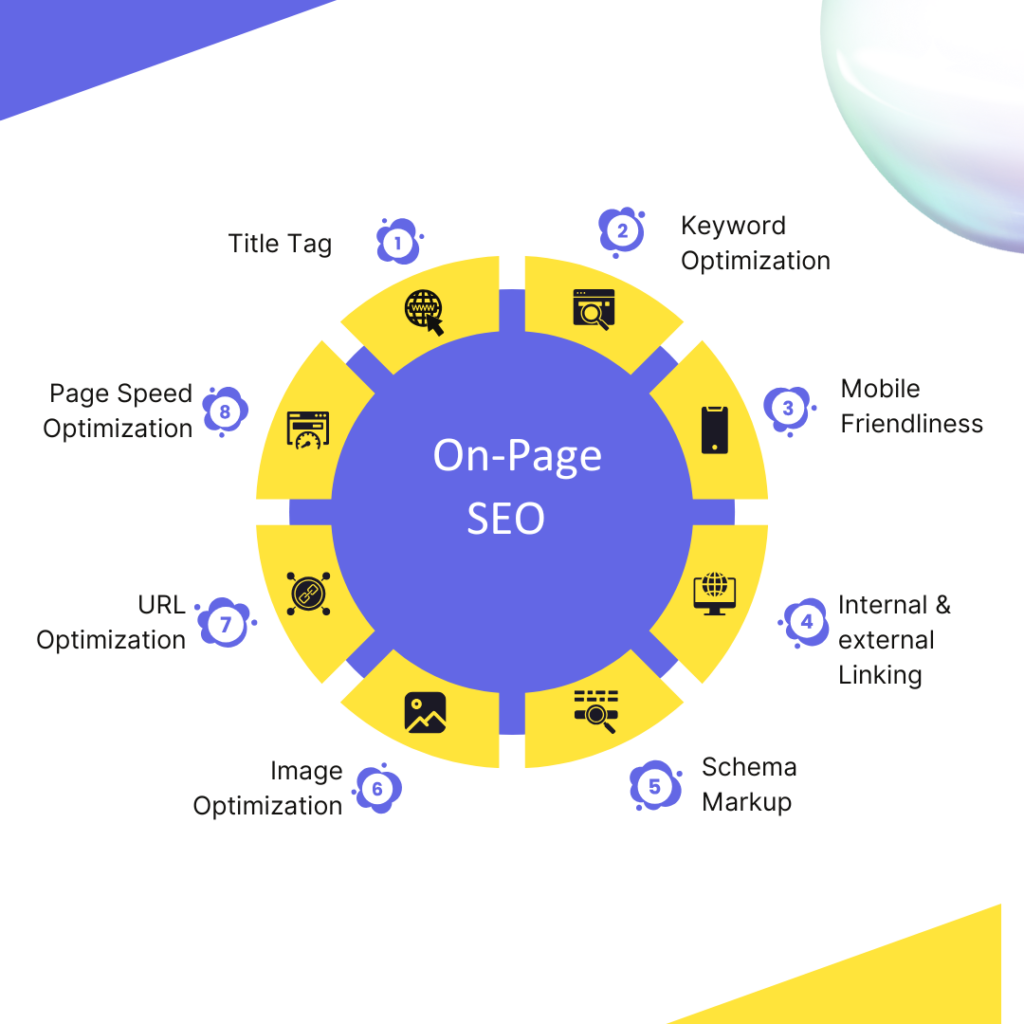
Learn essential On-Page SEO techniques to improve Google rankings, increase organic traffic, and enhance user experience. On-Page SEO refers to the optimization of website elements to achieve higher rankings and gain targeted traffic from search engines. It’s not like off-page SEO, which relies on external factors like backlinks, on-page SEO focuses on enhancing both the content and the HTML source code of a webpage. It focuses on making your content easier for Google and readers to understand and digest. Using effective On-Page SEO techniques improves website visibility and user experience. On-Page SEO and Off-page SEO are two basics pillars of Search Engine Optimization for ranking the website. Importance of On-Page SEO On-Page SEO is a set of processes that help page content rank higher in search engines and increase website traffic. It focuses on elements visible to users, such as content quality, keyword usage, and internal links. By optimizing these elements, you make your content more attractive and useful for readers.So, to rank well and attract more visitors, it is a must to optimize your website. On-Page SEO Techniques and How to Optimize? It is a set of processes designed to make page content more likely to rank well in search engines and increase web traffic. On-Page SEO specifically focuses on elements that a reader would see, like the quality of content, or internal links on a given page. Another advantage is that you’re making your page content more appealing to readers. Now that you understand the importance of On-Page SEO, it’s time to improve your website content. Below are some commonly used On-Page SEO techniques you should apply. Keyword Optimization in On-Page SEO: Keyword optimization involves using relevant search terms naturally within your content. It helps search engines understand the topic of your page and improves visibility and rankings. Title Tag Optimization for On-Page SEO: The title tag is the main headline that appears in search results. A clear, keyword-focused title attracts more clicks and plays a significant role in search engine rankings. Meta Description Optimization A meta description gives users a brief overview of your page content. A well-written description encourages users to click your link and improves click-through rate (CTR). Heading Tag Content is arranged into parts and subsections using Heading Tags. They make content simpler for users to read and easier for search engines to understand. Better SEO is supported by proper heading arrangement. Content Quality Optimization HHigh-quality content provides valuable and relevant information to users. Search engines prefer original and useful content, which increases engagement and improves rankings. URL Optimization SEO-friendly URLs should be short, clear, and descriptive. So, that it can help users and search engines to understand the page topic. Clean URLs improve website structure and visibility. Image Optimization Image optimization reduces file size without losing quality. Adding alt text helps search engines understand images. Optimized images improve page speed and accessibility. Internal Linking Internal linking is one of the most powerful tools in your SEO toolbox.It helps users navigate easily and keeps them longer on the site. Search engines use internal links to crawl pages better. External Linking External links, also known as outbound links, are hyperlinks that point from one website to a different, external website. These links are placed within the content of a webpage and direct users to another domain or resource outside the original site Page Speed Optimization The speed at which a webpage loads is known as page speed.Faster pages offer a better user experience and reduce bounce rates. Search engines prefer websites that load quickly. Mobile Friendly Mobile-friendly websites work on all screen sizes. Google uses mobile-first indexing for rankings. A responsive design improves user experience and SEO. Schema Markup Schema Markup is excellent for On-Page SEO as it provides search engines with additional context about your page content. This means your page is more likely to rank for specific search engine queries. On-Page SEO Tools Here are some On-Page SEO tools that come with a wide range of uses to improve your SEO:- These tools will help you better optimize your website and drive organic traffic and leads. Conclusion: In conclusion, On-Page SEO techniques is essential for better rankings and targeted traffic.It helps search engines understand your content and makes your website easier for users to read and navigate. By consistently optimizing on-page elements, you can improve rankings, attract the right audience, and build long-term SEO success.